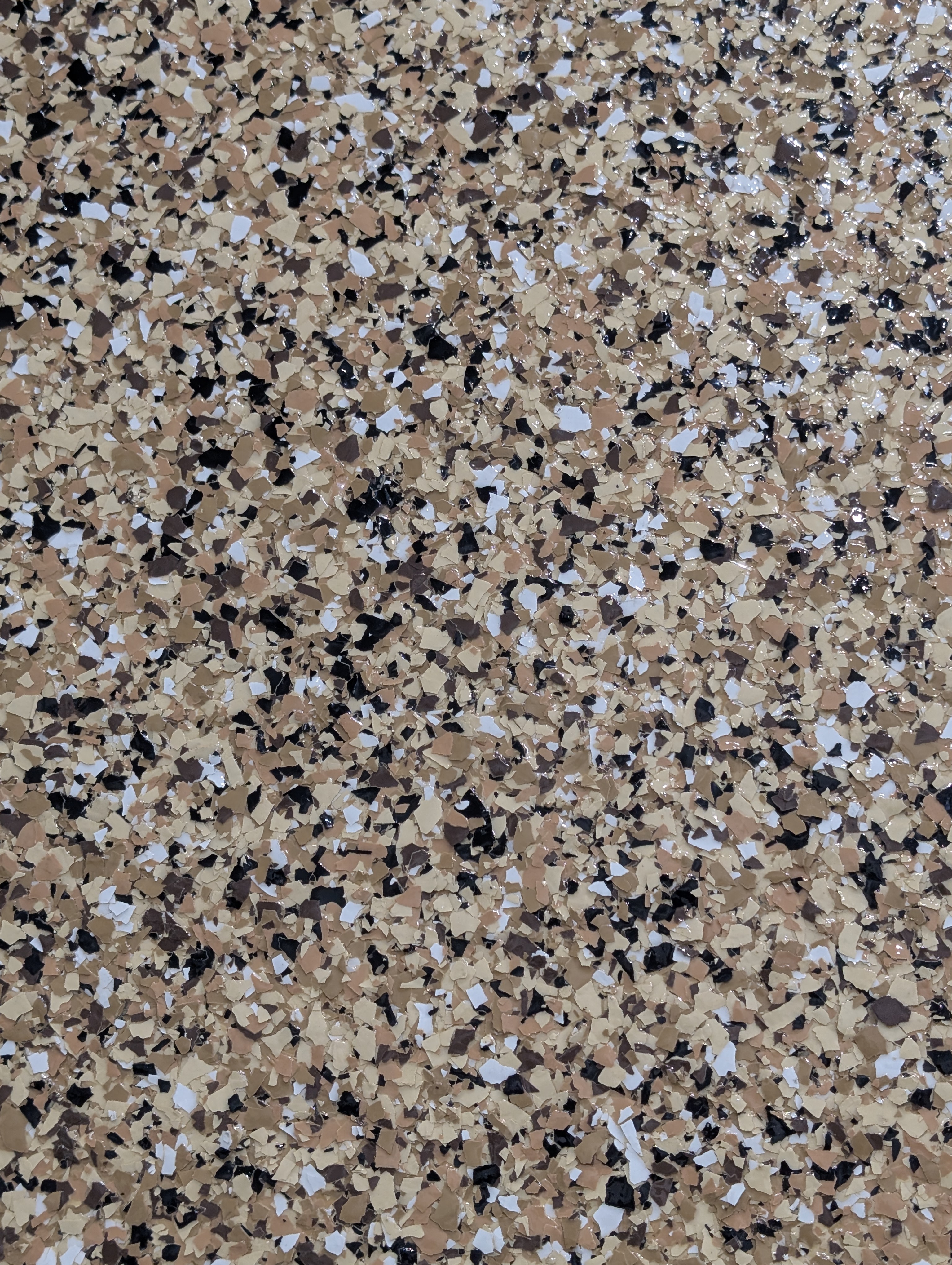
One of the biggest selling points of a professionally installed epoxy floor is that it's low maintenance. And it is — compared to bare concrete, tile, or wood flooring, epoxy is remarkably easy to keep looking great. But low maintenance isn't zero maintenance, and Ontario's specific climate introduces a few factors that affect how you should care for your floor.
Here's a practical guide to keeping your epoxy garage floor in top condition through the GTA's seasons.
Daily and Weekly Maintenance
Sweep or dust mop regularly
Grit and fine particles — especially the sand and road salt tracked in from Ontario driveways in winter — act as an abrasive on the floor surface over time. A soft-bristle broom or microfibre dust mop used regularly removes this abrasive material before it has a chance to scratch the topcoat. This is the single highest-impact habit for extending the life of an epoxy floor.
Mop with a pH-neutral cleaner
For routine wet cleaning, a pH-neutral floor cleaner diluted in warm water is all you need. Avoid acidic cleaners — vinegar, citrus-based products, and many bathroom cleaners are acidic and will dull the topcoat over time. Avoid abrasive scrubbing pads for the same reason. A microfibre mop and gentle cleaner keeps the surface looking its best without degrading the finish.
Clean spills promptly
Epoxy is highly resistant to oil, chemical, and water staining — but resistant doesn't mean immune. Motor oil, brake fluid, and battery acid should be cleaned up promptly. A paper towel to absorb the bulk, followed by a pH-neutral cleaner and rinse, handles most automotive spills before they have any chance of staining.
Ontario Winter — The Critical Season
Ontario winters are the biggest test of any garage floor coating. The combination of road salt, moisture, and freeze-thaw cycling creates conditions that floor coatings weren't always designed for. Here's how to manage it.
Road salt is the enemy
Salt tracked in from the driveway is the most damaging substance a GTA garage floor faces. Salt is corrosive and hygroscopic — it attracts and holds moisture, which then works its way into any micro-imperfection in the topcoat. Cleaning salt residue from the floor regularly through winter — even just a dry sweep — meaningfully extends the life of the coating.
Don't let standing water freeze on the floor
Water that pools under or around a vehicle and then freezes expands slightly. On a properly installed epoxy floor with no adhesion issues this isn't a problem — but on a floor where the coating has any micro-delamination, freeze-thaw cycling accelerates the failure. Keeping the floor clear of standing water is good practice year-round.
Use floor mats at the garage entry
A simple rubber mat or garage floor mat just inside the garage door catches the worst of the salt, sand, and moisture from tires and boots before it spreads across the floor. This single addition reduces cleaning frequency significantly through the winter months.
What to Avoid
- Harsh chemical cleaners — bleach, muriatic acid, and solvent-based degreasers damage the topcoat over time. If you need a stronger cleaner for a stubborn stain, use a product specifically rated for epoxy floors
- Steam cleaners — high heat can soften and damage epoxy coatings. Steam cleaning is not recommended for epoxy floors
- Dragging sharp or metal objects — dropping a sharp metal tool or dragging something with a metal edge across the floor will scratch the topcoat. Use a rubber mat under any stationary equipment like a floor jack or tool cabinet
- Abrasive scrubbing pads — steel wool and abrasive scrub pads scratch the gloss finish permanently
- Rubber-backed mats left in place long-term — some rubber compounds react with epoxy topcoats, causing discolouration. Use mats designed for use on coated floors, or move them periodically
When to Recoat
Even a well-maintained epoxy floor will eventually show wear — typically in high-traffic areas like where the car parks and the main path from the door. Signs that a recoat is worth considering:
- The topcoat is visibly dulling or losing its gloss in traffic areas
- Water no longer beads on the surface and instead spreads flat — the sealer is worn
- Minor scratching is becoming noticeable across traffic areas
- Small areas of peeling or chipping appear (addressing these early prevents larger failures)
A topcoat recoat — applying a fresh polyaspartic topcoat over the existing system — is significantly less expensive than a full floor replacement. Catching the floor at the maintenance recoat stage rather than waiting for full delamination is always the better financial decision.
Ontario timing tip: If you're planning a recoat or any epoxy work, late spring and early fall are the ideal windows. Epoxy and polyaspartic products have temperature requirements — most require a surface temperature above 10°C and below 30°C for proper cure. Ontario's shoulder seasons hit that window reliably.
Epoxy Maintenance & Recoating
Across the GTA
Whether you need a fresh installation or a topcoat refresh, we assess your floor and recommend the right approach. Serving Toronto, Vaughan, Mississauga, Brampton, Richmond Hill and the GTA.
Request a Free Quote ↗ Call (416) 709-0909