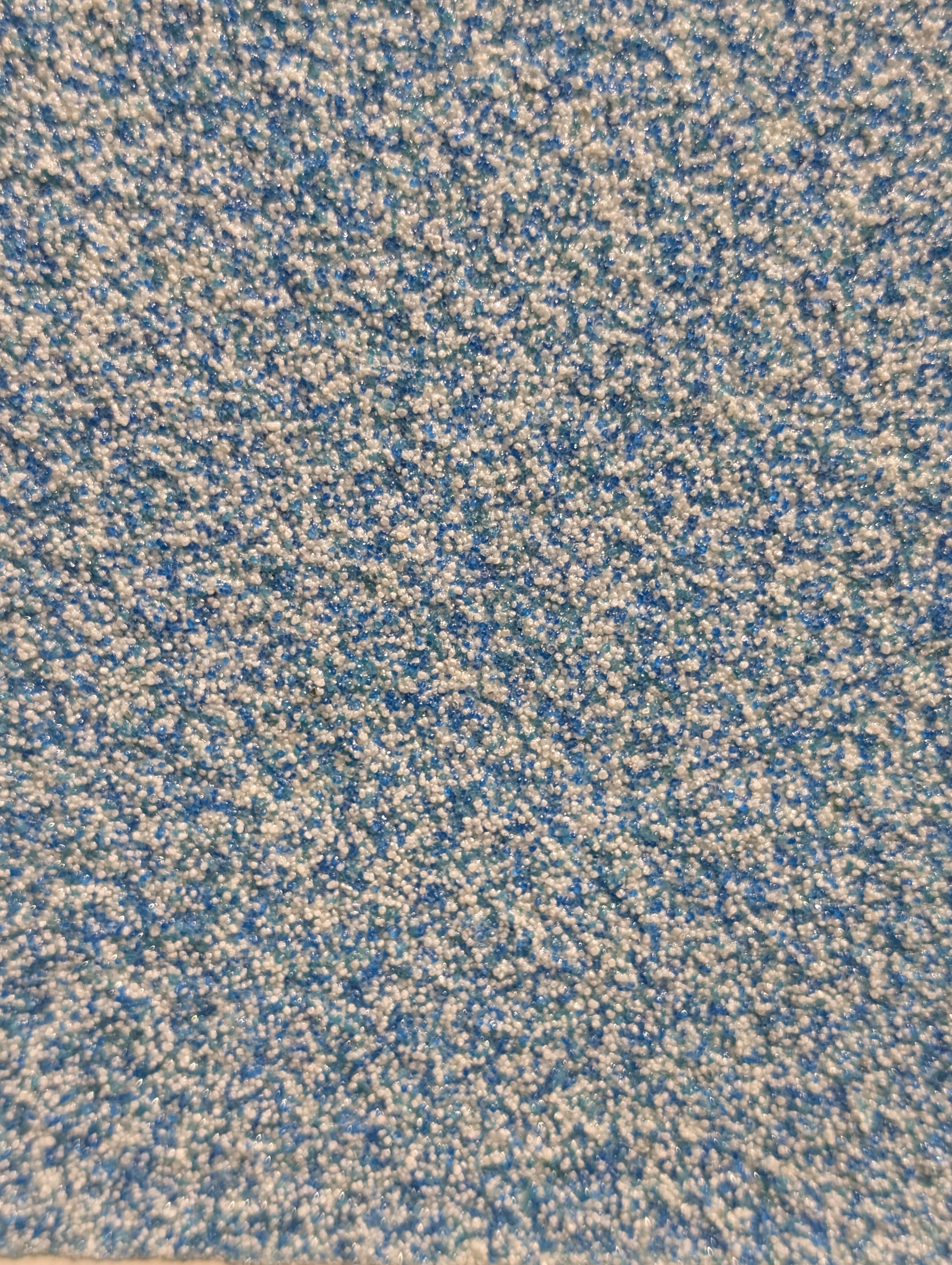
Epoxy flooring is one of the most practical investments a GTA business can make in its space. It's durable, seamless, easy to clean, and presents a professional image that bare concrete simply can't match. But commercial epoxy is a meaningfully different undertaking from a residential garage floor — the performance requirements are higher, the downtime implications are real, and choosing the wrong system for your specific application can cost significantly more to fix than it saved upfront.
Here's what GTA business owners need to understand before making a decision.
How Commercial Epoxy Differs from Residential
The core process is the same — surface preparation, primer, base coat, decorative layer, topcoat — but the specifications at every stage are different for commercial applications.
Traffic volume. A residential garage sees two cars per day and occasional foot traffic. A commercial space may see dozens or hundreds of people daily, plus equipment, forklifts, rolling stock, or heavy machinery. The coating system needs to be specified for the actual load it will carry, not just any epoxy system.
Chemical exposure. Restaurants and food service operations deal with hot grease, cleaning chemicals, and constant moisture. Automotive shops deal with oils, fuels, and hydraulic fluids. Medical and laboratory environments have their own chemical profiles. Each requires a topcoat system rated for the specific chemicals it will encounter.
Slip resistance. Commercial floors in wet or oily environments are subject to occupational health and safety requirements. Anti-slip aggregate — broadcast quartz or aluminium oxide — must be incorporated into the system to meet appropriate standards. This isn't optional in commercial settings where the floor could cause a workplace injury.
Downtime. A residential garage can sit unused for 48–72 hours while a floor cures. A business can't always afford that. Polyaspartic systems cure significantly faster than traditional epoxy — in some cases, light foot traffic is possible within hours. Understanding the cure schedule before the job starts is critical for business continuity planning.
Which Epoxy System Is Right for Your Business?
Retail & Showrooms
Metallic or decorative flake systems that create a visual statement. Moderate traffic, aesthetic focus. Polyaspartic topcoat for UV stability near windows and entrances.
Automotive & Garages
Heavy-duty flake or solid systems with chemical-resistant topcoat. High abrasion and oil resistance required. Anti-slip broadcast for wet conditions.
Food Service & Restaurants
Quartz broadcast system for maximum slip resistance and easy cleaning. Cove base at walls to eliminate dirt-trapping joints. Chemical resistance to cleaning agents essential.
Warehouses & Industrial
High-build solid systems rated for forklift traffic and heavy point loads. Abrasion resistance is the priority. Line marking and zone delineation often incorporated.
Medical & Clinics
Seamless, non-porous surface critical for hygiene compliance. Chemical resistance to disinfectants. Anti-static systems available for sensitive equipment areas.
Salons & Studios
Decorative metallic or flake systems that enhance the client experience. Moderate traffic, aesthetic and durability balance. Easy maintenance is a key benefit.
The Importance of Proper Specification
One of the most common mistakes in commercial epoxy is applying a residential-grade system to a commercial environment. The products look the same going down — but a residential system under commercial traffic will fail in months, not years. The mil thickness, resin solids content, and topcoat chemistry are all different for commercial applications.
A reputable commercial installer will ask about your traffic volume, equipment use, chemical exposure, and maintenance routine before specifying a system. If a contractor quotes your commercial floor without asking any of these questions, they're either guessing or proposing a one-size-fits-all solution that may not be appropriate for your specific use case.
Planning Around Business Downtime
This is the most underestimated aspect of commercial epoxy projects. The timeline needs to account for:
- Surface preparation — diamond grinding is louder and dustier than most businesses expect. Containment of dust and noise needs to be planned, especially in occupied buildings
- Cure time — even fast-cure polyaspartic systems need time. Light foot traffic, heavy foot traffic, and vehicle traffic all have different cure requirements
- Phased installation — larger commercial spaces can often be done in phases, keeping part of the operation running while sections cure
- Ventilation — epoxy fumes require adequate ventilation during application. HVAC systems may need to be temporarily isolated
The best commercial installers will work around your schedule — nights, weekends, or phased sections — to minimise disruption. Confirm this flexibility upfront before committing to a contractor.
How Long Does Commercial Epoxy Last?
In commercial environments, lifespan depends heavily on traffic intensity and maintenance. A properly installed system in a retail or office environment can last 5–10 years or more. In high-traffic industrial settings with heavy equipment, 3–7 years is more realistic before a recoat is needed. Regular cleaning with appropriate products — avoiding harsh acids or abrasive scrubbers — extends the life of any commercial epoxy system significantly.
Worth knowing: Commercial epoxy floors are significantly easier and cheaper to maintain than bare concrete, tile, or VCT flooring. The seamless surface eliminates grout lines and joints where bacteria and grime accumulate — making daily cleaning faster and more effective.
Free Commercial Assessment
Across the GTA
We assess your space, discuss your operational requirements, and specify the right system for your business. Serving Toronto, Vaughan, Mississauga, Brampton, Richmond Hill and the GTA.
Request a Free Quote ↗ Call (416) 709-0909